Short-Term Rental Operations
24/7 Airbnb Guest Support: What Short-Term Rental Managers Should Expect From a Human Support Desk
A practical guide to guest communication, cleaner follow-up, maintenance escalation, and daily handovers for growing short-term rental teams.
A guest message should not become tomorrow’s problem.
Short-term rental guests can ask for help at any hour. They may need assistance with a door code, check-in instructions, Wi-Fi, parking, an appliance, a late cleaner, or a maintenance issue. For a property manager, one message is manageable. A steady stream of messages across several properties is different.
The challenge becomes more serious after hours. The manager may be asleep, travelling, handling another property, or relying on a team member who does not have the complete context. A delayed or unclear response can create extra follow-up, a preventable escalation, or an avoidable negative guest experience.
That is where 24/7 Airbnb guest support can help. A trained human support desk gives guests a timely response while keeping the property manager informed about issues that require a decision.
The goal is not to replace the property manager. The goal is to extend the manager’s capacity and make sure important details do not disappear between messages, shifts, cleaners, vendors, and checkouts.
What is 24/7 Airbnb guest support?
24/7 Airbnb guest support is an organised service that helps short-term rental operators manage guest communication and related operational follow-up throughout the day and night.
Depending on the operator’s process, the support desk may:
- Monitor the guest inbox and identify requests that need action
- Reply to routine questions using approved property information
- Support guests before arrival, during check-in, and after checkout
- Follow up with cleaners before a same-day turnover
- Record maintenance issues and collect the relevant details
- Escalate urgent or manager-approved decisions
- Maintain a clear daily handover for the next shift
- Provide reports so the operator can review activity and open cases
The important distinction is that the desk operates from the manager’s approved instructions. It should not guess, invent policies, or make commitments outside the agreed rules.
Why after-hours guest communication is difficult
After-hours support is not only about answering quickly. The person responding also needs to understand the property, the reservation context, the approved instructions, and the next action.
The right information is difficult to find
Property notes may be spread across a booking platform, messaging application, spreadsheet, document, or a manager’s personal messages. Searching for the correct information slows down the response.
The issue needs another person
A guest may report a leaking tap, a broken lock, noise, missing supplies, or a property-access problem. The support person may need to contact a vendor or notify the manager. Without a clear escalation rule, the issue can sit unanswered.
Cleaner coordination happens under pressure
When a cleaner is late or a turnover is incomplete, the guest may be arriving soon. The manager needs to know what has been confirmed, what is still pending, and what action is being taken.
Details are lost between shifts
An issue may be discussed in a chat but never added to a central record. The next person then has to ask the same questions again, and the manager has to reconstruct what happened.
What a reliable human support desk does differently
A useful support desk creates ownership around each request. It does not simply pass messages from one inbox to another.
1. It classifies the request
The desk identifies whether the message is a routine question, access issue, cleaner follow-up, maintenance report, complaint, or urgent escalation. Classification helps the team apply the right process.
2. It checks the approved information
Before replying, the support person checks the relevant property notes, arrival details, house rules, and manager instructions. This reduces inconsistent answers and unnecessary back-and-forth.
3. It responds like a person
Templates can help with consistency, but guests still need a clear and relevant reply. A human reviews the context and adapts the message to the actual situation.
4. It follows through
If a cleaner, vendor, or manager needs to take action, the desk records the follow-up and checks whether it was completed. A request should not be considered finished only because the first message was answered.
5. It escalates with context
When the manager needs to decide, the escalation should include the issue, property, severity, evidence, action already taken, and recommended next step. This allows the manager to make a decision without starting the investigation again.
6. It leaves a record
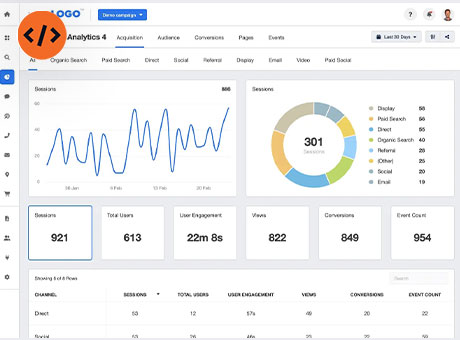
The operator should be able to see what was received, what was sent, what remains open, what was escalated, and what was completed. A monitoring dashboard or structured report makes that history easier to review.
Human support and automation can work together
Automation is useful for organising information, routing alerts, preparing reports, and surfacing repeated patterns. It can help the team move faster.
However, automation should not be treated as a replacement for judgement. Guest messages often contain incomplete information, emotion, urgency, or exceptions to the normal process. A human should review situations where context matters, a rule is unclear, or the issue could affect the guest experience or property.
A practical model is simple: technology organises the work, while people make the decisions. This allows the operator to benefit from a visible workflow while keeping human responsibility at the centre of guest communication and escalation.
What should be included in an Airbnb support process?
Before bringing in a support desk, a property manager should document the basics for each property:
- Arrival and departure instructions
- Access and door-code process
- Wi-Fi and essential amenity information
- House rules and common guest questions
- Emergency contacts and vendor details
- Cleaner assignment and turnover confirmation process
- Maintenance severity levels
- Issues that require immediate manager approval
- Refund, compensation, or exception rules
- Required daily and weekly reports
The documentation does not need to be perfect before the process starts. A good support partner can help identify missing rules during the initial setup. The important part is to improve the instructions as real cases reveal gaps.
How to evaluate a 24/7 Airbnb guest support provider
Ask these questions before choosing a provider:
- Are messages handled by trained people or only automated replies?
- How does the team learn each property’s instructions?
- What happens when a message needs manager approval?
- How are cleaners and maintenance vendors followed up with?
- Where can the manager see open and escalated cases?
- What does the daily handover contain?
- How is quality reviewed?
- Can the service start with a focused portfolio and expand later?
- How are private guest and property details protected?
- What happens during a shift change or team absence?
The best answer should describe a complete operating process, not only a promise to reply quickly.
When should a property manager consider outside support?
Outsourcing may be worth considering when:
- Guest messages regularly interrupt evenings or weekends
- The manager is the only person who knows what to do
- The portfolio has grown beyond a comfortable manual process
- Cleaners need repeated follow-up before arrivals
- Maintenance issues are reported but not tracked consistently
- The team cannot produce a reliable daily handover
- Guests receive different answers depending on who responds
- The manager wants to grow without adding a full internal night shift
The decision should be based on operational pressure, not only listing count. A smaller portfolio with high guest volume or complex properties may need more support than a larger portfolio with simple, well-documented operations.
A better guest experience starts with a better operating record
Guests remember whether they received a clear answer when they needed help. Managers remember whether an issue was handled without another emergency call. Teams remember whether the handover gave them enough context to begin the next shift confidently.
24/7 Airbnb guest support brings these moments into one operating process: respond, follow up, escalate, record, and hand over.
At Innovative Designers, our trained remote support desk helps short-term rental teams manage guest communication, cleaner coordination, maintenance escalation, and daily reporting. The workflow is supported by a monitoring dashboard so operators can see what is active, pending, completed, or escalated.
Ready to make after-hours support easier?
If your guest inbox, cleaner follow-up, or after-hours operations are taking too much of your time, request a free STR operations audit. We will review your current workflow and identify where human coverage can make the biggest difference.
24/7 guest support, handled by real people.
Frequently Asked Questions
Does 24/7 Airbnb guest support replace the property manager?
No. The support desk handles approved communication and operational follow-up, while the manager keeps control over exceptions, sensitive decisions, refunds, policy changes, and issues that require direct approval.
Can a support desk use our existing SOPs?
Yes. The process should be built around the operator’s property notes, house rules, escalation levels, vendor contacts, and preferred communication style.
What happens when the support team cannot solve an issue?
The issue should be escalated with the relevant context, evidence, action already taken, and the decision required from the manager. The case should remain visible until the next action is confirmed.
Is human support better than automated replies?
They serve different purposes. Automation can organise and speed up routine work, while human review is important when a message is unclear, emotional, urgent, or outside the approved instructions. A strong process uses technology with human oversight.
Can support begin with only part of a portfolio?
Yes. A focused pilot can help the operator test response quality, follow-up, escalation, reporting, and handover before expanding coverage.